
Student and alumni UGC stories, filmed by them, directed by us.
Our storytellers collaborate remotely with your students and alumni to create videos in a style prospects trust — turning each story into 16 total video assets for full-funnel distribution. No crew on campus, no wrangling student content creators.
Imagine you could snap your fingers and have a bunch of UGC (user-generated content) videos like this:
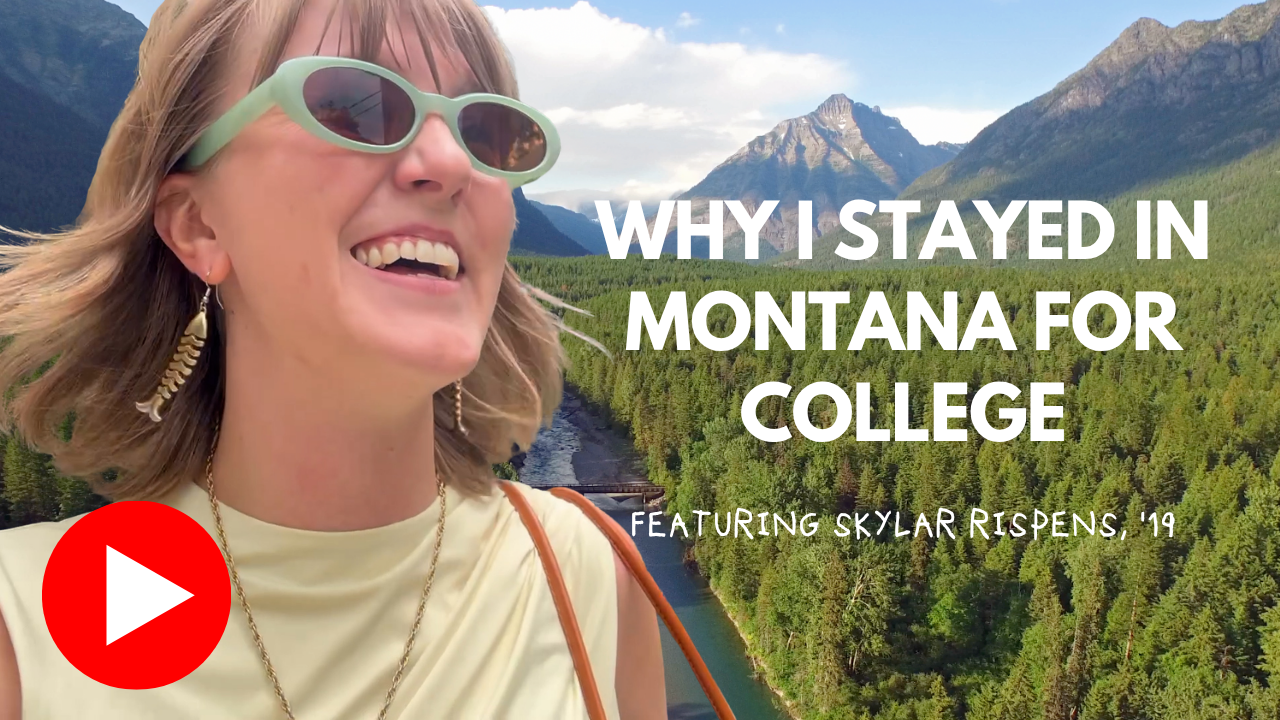
This is Skylar.
Growing up in Montana, journalist Skylar Rispens was encouraged by her high school teachers to leave the state for college.
But University of Montana is one of the top journalism schools in the country, and Skylar’s love for her home state inspired her to stay and make an impact in her local community.

This is Heeseon.
She’s a dual major grad student at Boston University working toward her MPH and MBA degrees.
Coming to the US from Korea, she noticed the glaringly obvious issues with the US healthcare system. Now she’s on a path to advocate for policies that make healthcare more affordable.
Scaling UGC Comes With Problems.
Capacity
It can be like pulling teeth to find the content creators who are not only willing to participate, but have something interesting to say
Once you find them, you still have to coordinate them and manage quality through to completion. And that’s before you’ve distributed anything
Quality
Not all students are content creators, so if you want to ensure quality, you have to limit your story options to existing content creators who can shoot and edit
Even if you manage to get a non-content creator to shoot good footage, the magic really happens in the edit, and editors who can tell a great story are notoriously hard to find even on a professional level
Giving a student full autonomy who doesn’t understand the priorities of marcom/enrollment risks getting generic content back
These videos were produced 100% remotely in collaboration with the subjects.
Traditional video production is expensive and labor-intensive to manage. And there’s a big gap between letting students loose with iPhones, and a video crew on-site with intimidating cameras and lights controlling every shot and sound bite.
Enter “Directed UGC” by Unveild.
It’s UGC, but overseen by professional storytellers who partner with students to achieve compelling content, without you having to babysit every detail.
how it works.
We help you find the stories to tell with our plug-and-play casting system AND we pay participants so you can offer this as a “paid opportunity”
We interview the student in depth remotely. We do lots of digging to pull out the best stuff. You can be present for the interview, or not. It’s up to you.
We give the subject a shot list to film on their phone, and instructions on how to capture footage in the way we need them to for the video
They send us the footage, and our editors will take it from there. The same editors that edit all our cinematic work
You give us feedback just like any other video project, and when it’s done, you launch it
What You Get - 8 Unique videos per story, 16 total Assets:
Each story is delivered in a complete package so instead of just getting one video, you’re getting 8 unique videos.
1x main video (2-4 minutes)
1x 30-second cutdown
1x 15-second cutdown
5x FAQ-focused topical videos (up to 2 minutes)
Plus we format all videos horizontally and vertically which means you’re getting a total of 16 video assets per story.
BONUS: You’ll also get all the raw footage for unlimited future repurposing.
Here’s how that looked for Skylar’s videos and how you could use them.
Main Video
-
This is your main flagship asset in the package that will do the heavy lifting.
Publish on Youtube in a relevant playlist
Embed on a program landing page
Embed in email nurture sequences to prospective journalism students
30-Second Cutdown
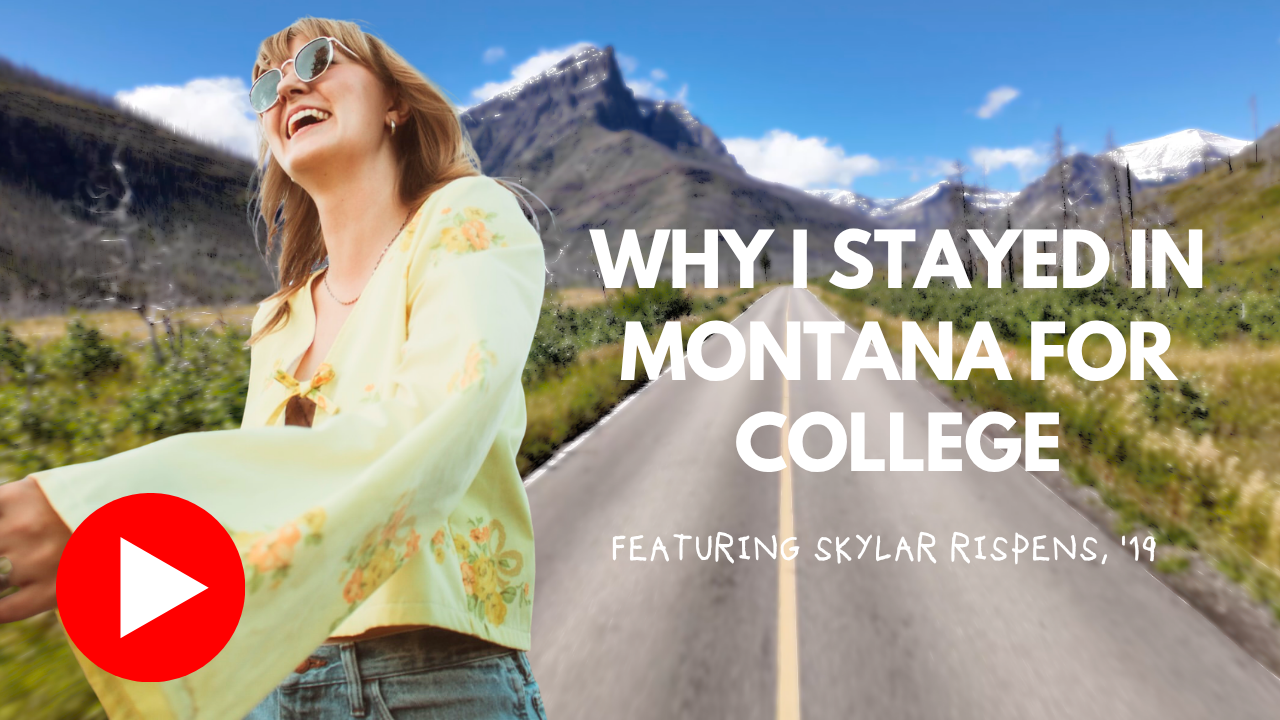
15-Second Cutdown

-
These are designed primarily for paid ads but can also be used in emails, social media campaigns, or anywhere where a quick, polished, high-level message is needed.
Topical Videos
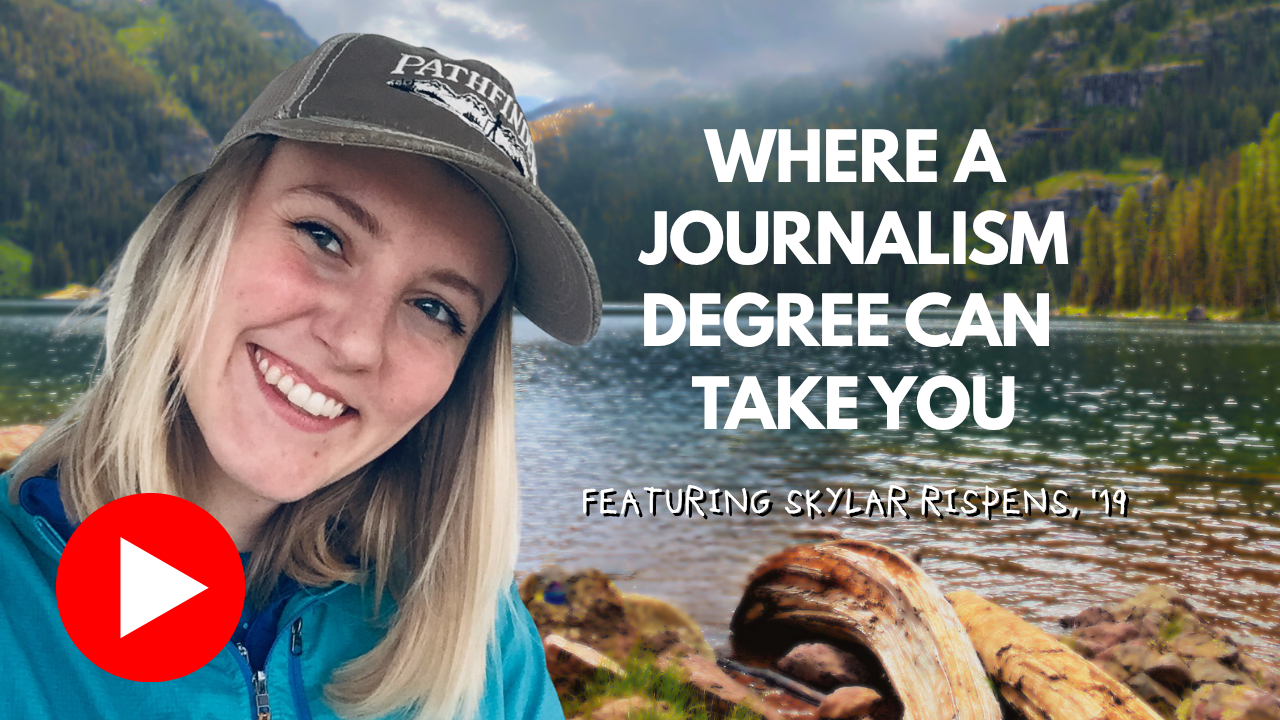
Where a Journalism Degree Can Take You
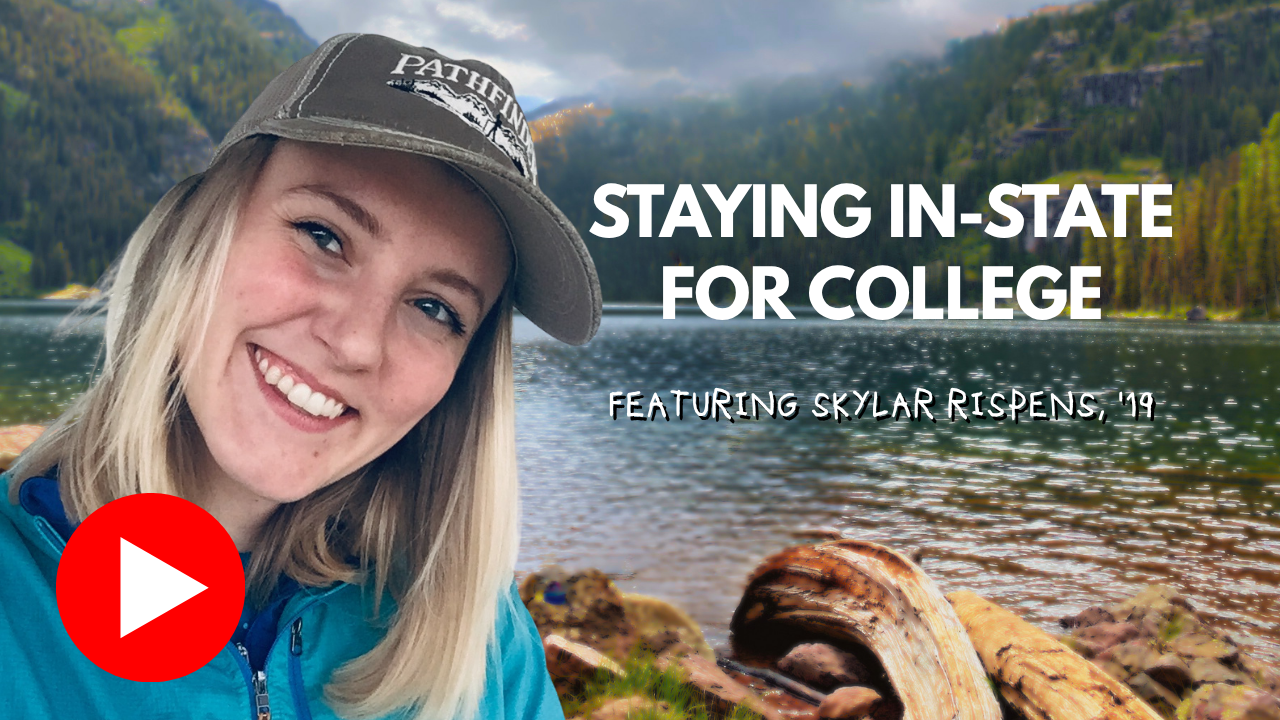
Why Stay In-State For College
How You’ll Learn Journalism By Doing It
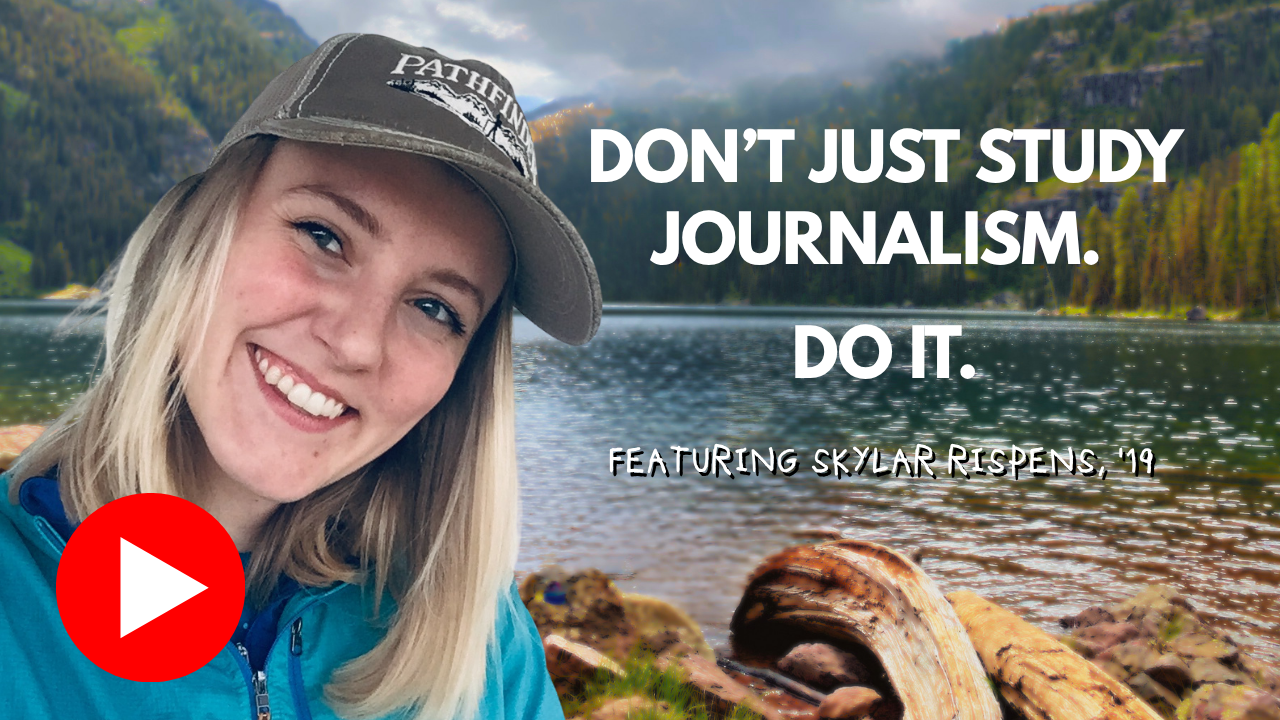
Why UM is a Top School for Journalism
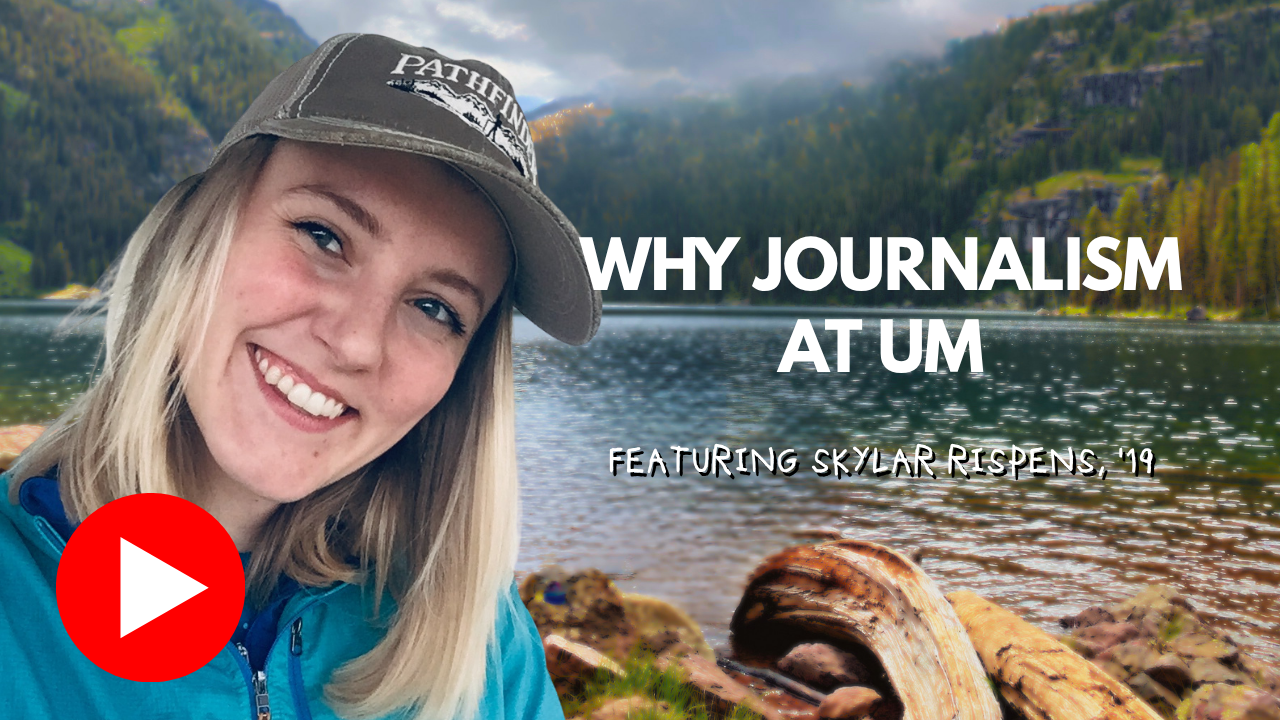
Skylar’s Master’s Degree Journey
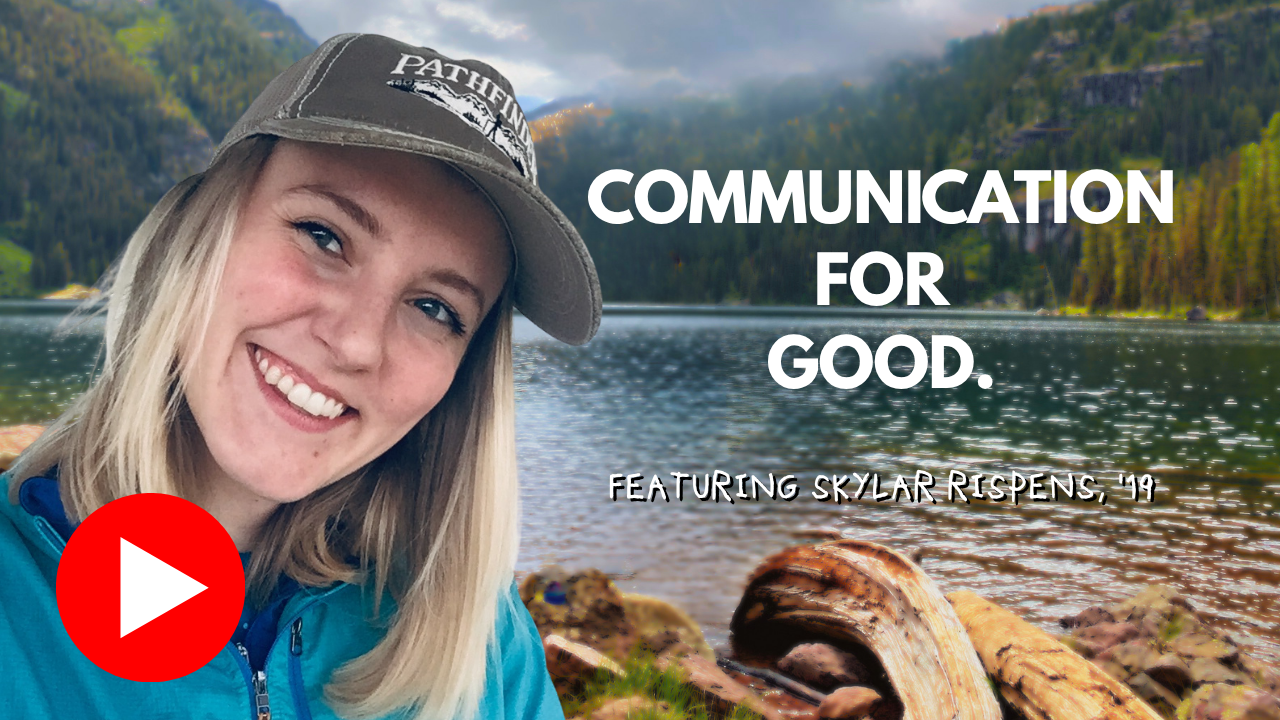
-
Think of these like messaging wild cards. They can be used to talk about things like niche aspects of the program, internship opportunities, belonging, affordability — you name it, we’ll design an interview question to capture it. These are perfect for delivering to admissions counselors to help answer questions, embedding in email nurture sequences, or populating Youtube playlists so they show up as answers in AI search results.
Verticals
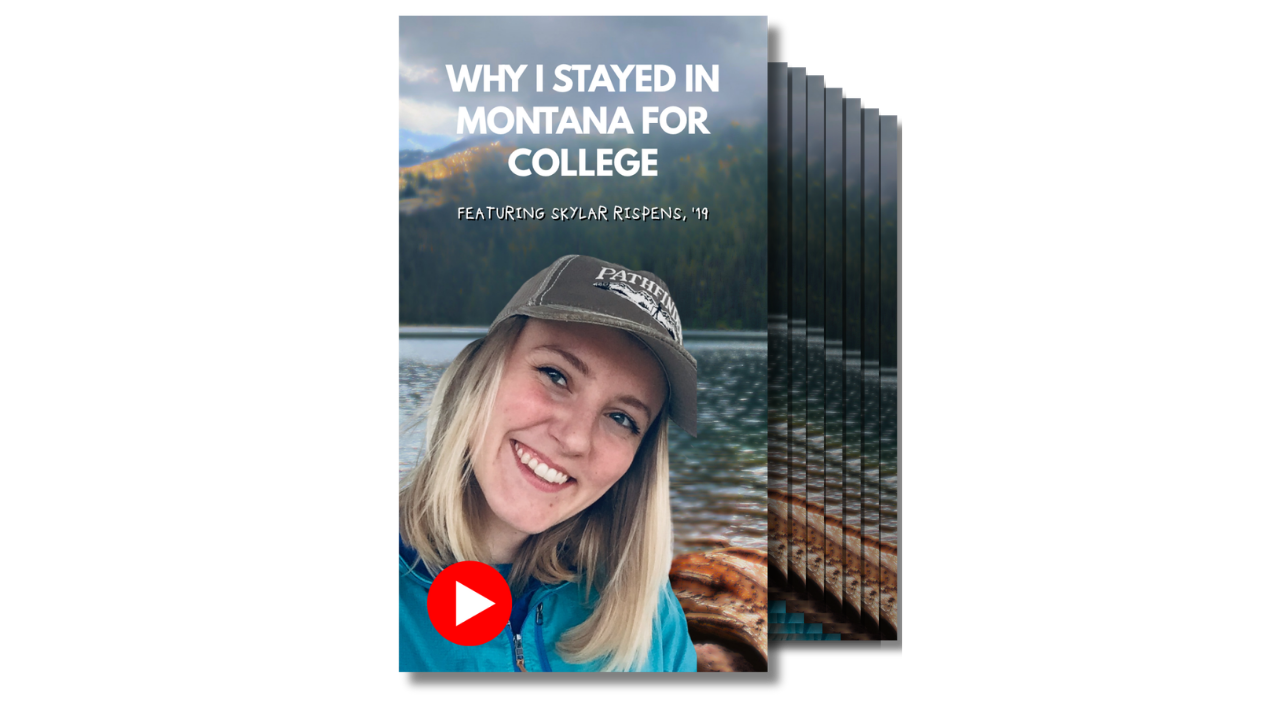
-
Use these on short-form platforms like Instagram, TikTok, and. Youtube Shorts.
Next Step: Book a 20-minute Walkthrough
We'll walk you through a full sample package and answer any questions about fit. 20 minutes, no pressure.
Pricing
Single Story Package — $5,500
One complete story package (8 videos all delivered horizontally and vertically). Great if you want to test the model before committing to a larger engagement and in most cases avoid having to send this to bid.
5-Story Package — $26,500 ($5,300 per story)
40 videos all delivered horizontally and vertically. Delivery at a steady cadence spread across 6 months. Includes access to our plug-and-play casting system to help you identify the right students to feature, and an order of delivery built around your academic calendar and marketing priorities.
Annual Subscription (10 Story Packages) — $48,000 ($4,800 per story)
80 videos all delivered horizontally and vertically. The best per-story value. A steady cadence of content rolling out over 12 months so you’re never scrambling for fresh material. Includes casting support, and an order of delivery built around your academic calendar and marketing priorities.
How is this different from CampusReel?
CampusReel’s business model relies on a self-service approach to UGC. Content creators can apply to participate, and when chosen are given a list of prompts and let loose. The focus is more on campus tours than stories of transformation or program overviews.
For schools that want students to have more professional guidance in the storytelling process, and whose needs are more aimed at marketing various programs, our Directed UGC model might be a better fit.
Next Step: Book a 20-minute Walkthrough
We'll walk you through a full sample package and answer any questions about fit. 20 minutes, no pressure.